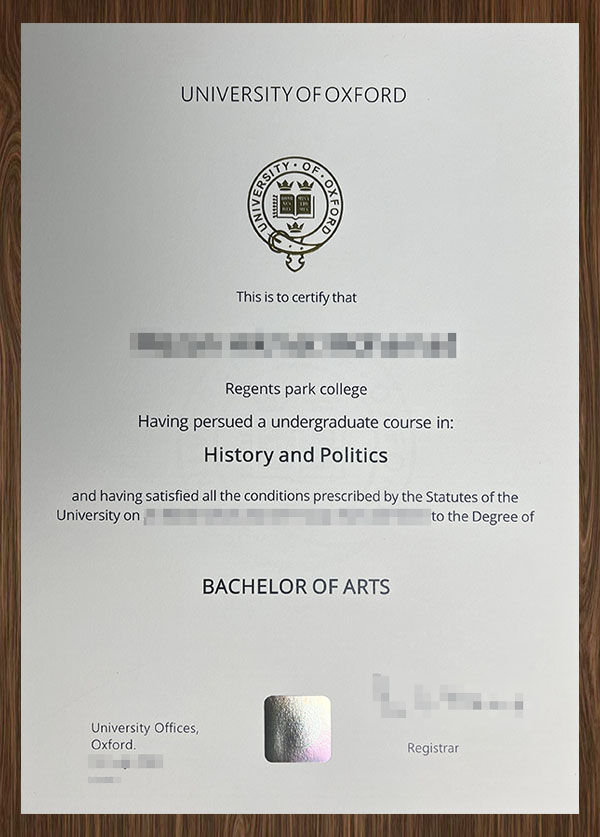
Oxford is the oldest university in the English-speaking world, and that fact shapes almost everything about it. University of Oxford diploma, University of Oxford certificate, University of Oxford degree. Teaching existed there as early as 1096, colleges were founded in the thirteenth century, and the institution has been in continuous operation for roughly nine hundred years . This longevity is not merely a historical curiosity. It explains Oxford’s peculiar structure, its tutorial system, the density of its library collections, and the unusual combination of tradition and competitive pressure that defines it today.
Oxford is not a single campus in the conventional sense. It comprises 39 colleges and 7 permanent private halls, each a self-governing corporate body distinct from the central University. Students belong simultaneously to the University and to a college. Replica University of Oxford diploma online, Novelty University of Oxford degree online.The University organizes lectures, sets curricula, and awards degrees; the colleges handle small-group teaching, accommodation, and much of the pastoral and social life . This federal arrangement means that a student’s experience depends significantly on which college they attend, even though all students in a given subject work toward the same degree.
The tutorial—typically one or two students meeting with a tutor to discuss an essay or problem set—remains the pedagogical centerpiece. Undergraduates receive roughly three tutorials a fortnight in subjects like English, supplemented by faculty lectures and college classes . The system is resource-intensive, which is one reason Oxford’s admissions are so selective, but it also produces a distinctive form of intellectual training: students learn to defend arguments orally, under pressure, in front of an expert who knows their work intimately.
How to change University of Oxford certificate marks?
Oxford’s Vice-Chancellor, Irene Tracey, has been candid that the university’s achievements come “at a time of real strain for UK higher education”. The convenient way to earn an University of Oxford diploma. The factors are familiar: frozen domestic tuition fees, rising costs, increasing competition from better-funded US institutions and rapidly improving East Asian universities, and the political and financial uncertainties surrounding international student recruitment.
Oxford’s response has been to lean into its international character—40 percent of its faculty are drawn from overseas—and to maintain its research intensity even as the sector’s finances tighten . Whether this is sustainable depends less on Oxford’s own choices than on government policy, visa regimes, and the global market for academic talent.
What remains clear is that Oxford is not resting on its history. The tutorial system, the college structure, and the accumulated prestige of nine centuries provide advantages that newer institutions cannot replicate. But they also create obligations and rigidities. The university’s next decade will test whether an institution built for a different era can adapt its teaching, its access arrangements, and its financial model without losing the things that made it worth preserving in the first place.


