United States Diploma
How to tell if a American Board of Internal Medicine certificate is real?
diplomascopy.com
2026-11-13
8 min read
8
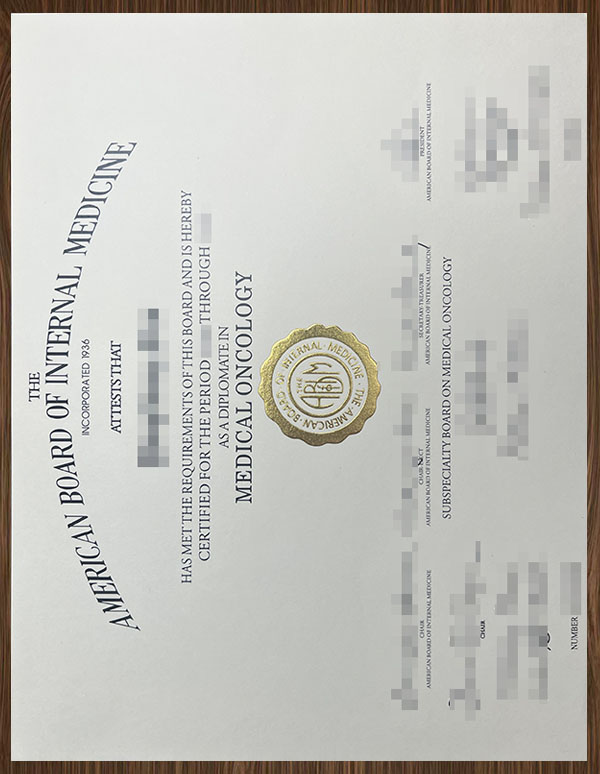
The American Board of Internal Medicine (ABIM) is the largest of the 24 member boards of the American Board of Medical Specialties, certifying approximately one in four practicing physicians in the United States—more than 260,000 doctors across internal medicine and 20 subspecialties. American Board of Internal Medicine certificate, American Board of Internal Medicine diploma, American Board of Internal Medicine degree. Founded in 1936, the ABIM has shaped the landscape of American medical credentialing for nearly nine decades, establishing the examination and maintenance standards that define what it means to be a board-certified internist. Yet its history is not merely one of institutional growth and technical refinement. It is also a story of tension between professional accountability and physician autonomy, a tension that erupted into open revolt in 2014 and continues to shape the Board’s policies and public standing today.
The ABIM was established in 1936 as the twelfth specialty board in the United States, administering its first certification examination in internal medicine that same year. Its founders envisioned a modest role: recognizing only a few outstanding internists while general practitioners continued to deliver the vast majority of care. Perchase American Board of Internal Medicine certificate online, Replica American Board of Internal Medicine diploma online. World War II transformed that vision. The army medical services emphasized board certification, encouraging physicians to pursue residency training and sit for specialty examinations, while the expanding Veterans Administration hospital system provided the infrastructure for that training. Specialty certification became the norm rather than the exception, and the ABIM grew accordingly.
How to get a American Board of Internal Medicine certificate?
The Board’s subspecialty portfolio expanded incrementally over subsequent decades, tracking the increasing differentiation of internal medicine.
The secrets to obtain a American Board of Internal Medicine certificate online. Cardiovascular disease, gastroenterology, and pulmonary disease were added in 1941; endocrinology, hematology, infectious disease, nephrology, and rheumatology followed in 1972; medical oncology in 1973; critical care medicine in 1987; and geriatric medicine in 1988. More recent additions include interventional cardiology (1999), transplant hepatology (2006), sleep medicine (2007), hospice and palliative medicine (2008), advanced heart failure and transplant cardiology (2010), adult congenital heart disease (2015), and neurocritical care (2021). The Board transitioned all assessments from paper-and-pencil to computer-based formats between 2004 and 2006, and in 2024 introduced an inpatient-focused version of internal medicine certification.
The American Board of Internal Medicine stands at the center of American internal medicine not because it is uncontroversial, but because the credential it confers matters. Its examinations define entry into the specialty; its maintenance requirements shape the continuing education of practicing physicians; and its policies influence the structure of residency training and the careers of program directors. The Board’s history reflects both the achievements of professional self-regulation and its persistent vulnerabilities. Whether the LKA represents a genuine reconciliation between accountability and practicality, and whether the antitrust litigation produces changes in ABIM’s attestation policies, will determine the next chapter in a story that has been unfolding since 1936.